Payment Cards
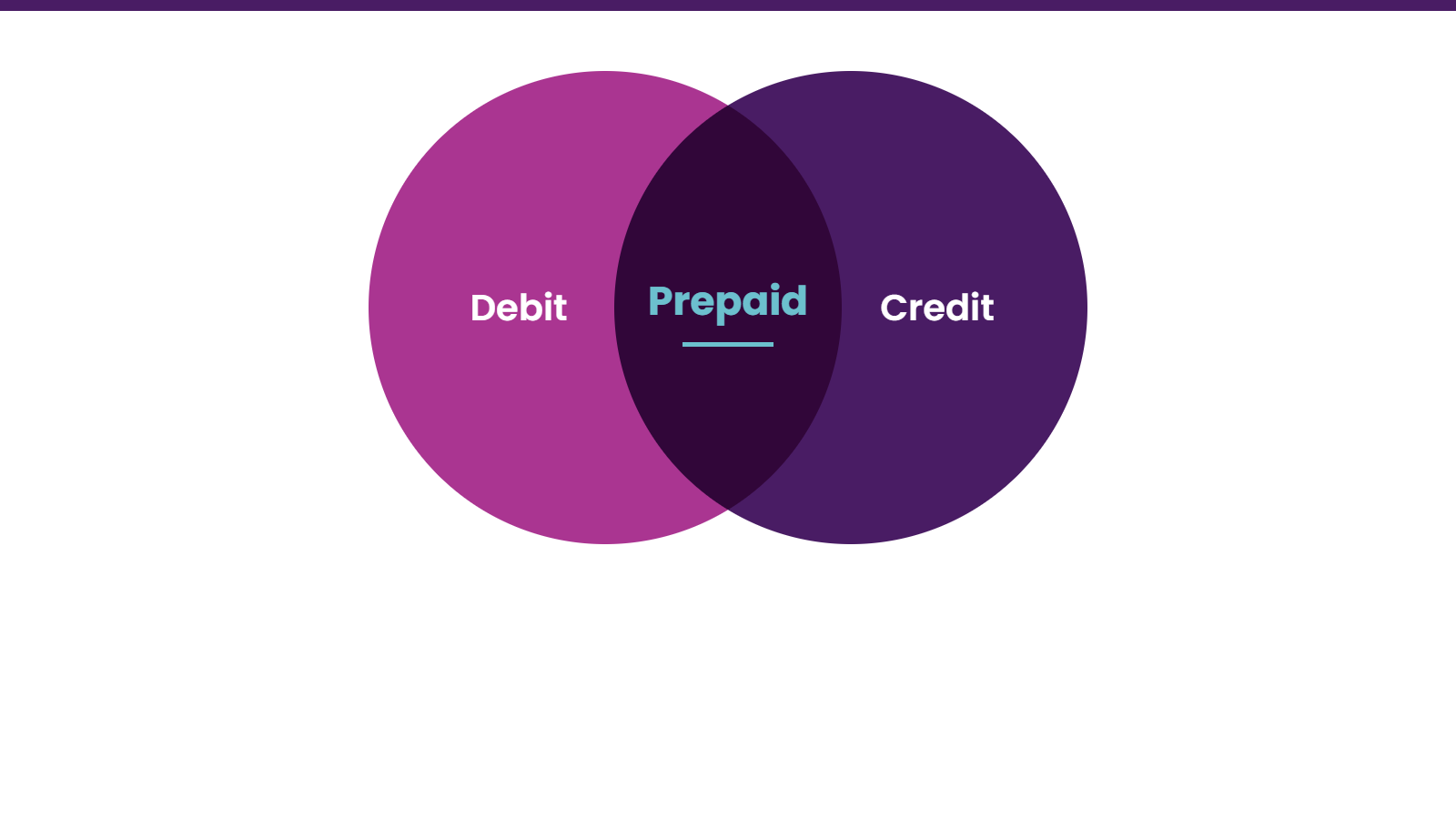

Why prepaid is the smarter alternative to debit and credit cards
Debit and credit aren't really competitors. They solve different problems. Debit gives people direct access to money they already have. Credit lets them borrow against money they don't. Most companies never weigh one against the other, because the use case usually points clearly to one or the other.
Read More >>
What is a private label prepaid card?
For many enterprise card program buyers, "private label card" brings up a specific picture: a card that works only inside one company's environment, on its own private network, outside the Visa or Mastercard system.
Read More >>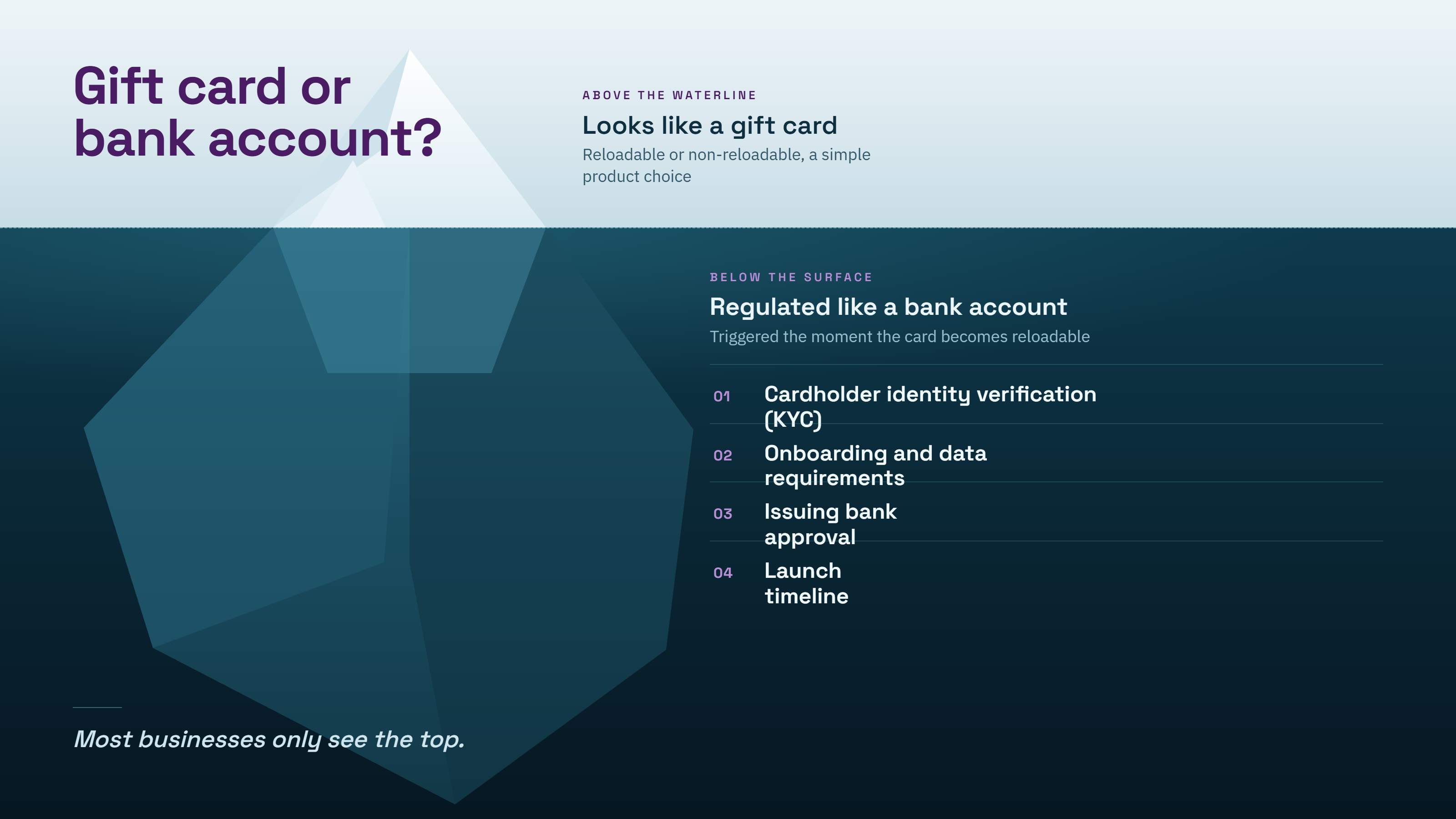
Gift card or bank account? Regulators see your card program as one or the other
When companies design a card program funded in advance, the reloadable vs. non-reloadable question is treated as a product decision based on:
Read More >>
We put reverse ATMs at the FIFA Fan Festival. Here's what happened.
When more than a hundred thousand soccer fans pour into a venue, the last thing anyone wants is a cash problem. Vendors don't want to handle it. Fans don't want to line up for it. And the venue wants every transaction to move at the speed of a halftime lineup.
Read More >>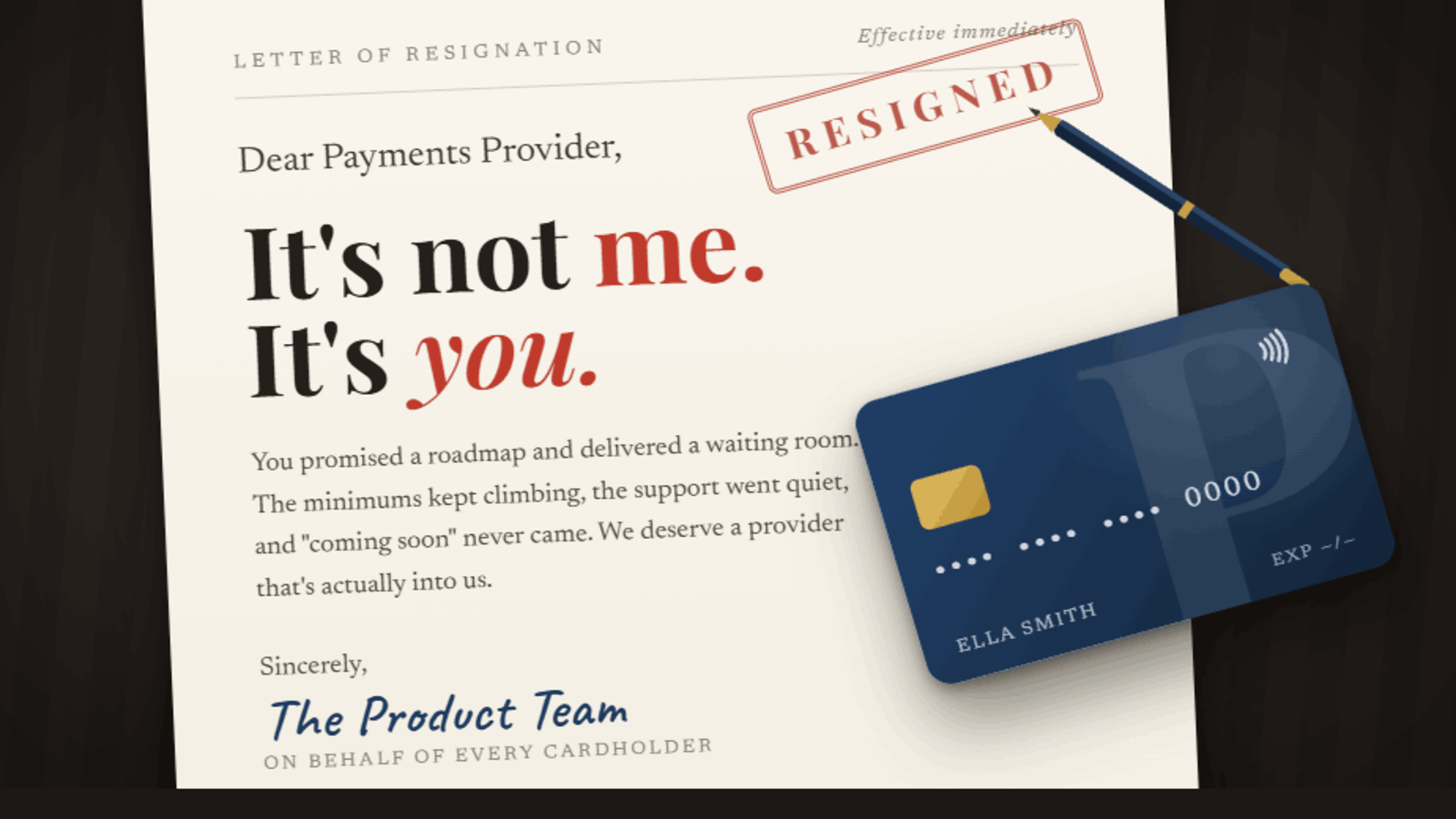
Five Signs It's Time to Leave Your Payments Provider
Most companies don't switch payment providers because of a major failure. More often, the decision comes after months of small frustrations that gradually become harder to ignore.
Read More >>.png)
Should You Build, Buy, or Partner Your Way to a Card Program
Launching a card program can feel like a major growth opportunity at first. A wealth management firm wants to give clients spending access. A payroll platform wants faster payouts. A CPG company wants to run an incentives or rewards program for customers. The business cases are seemingly endless.
Read More >>
How to Choose the Right Payments Processor for a High-Stakes Migration
Imagine this scenario: a card program migrates to a new platform over a weekend. By Monday morning, customer support lines are overwhelmed. Legitimate purchases are being declined and recurring payments are failing. Customers who rely on the card for their most important transactions suddenly can’t use it.
Read More >>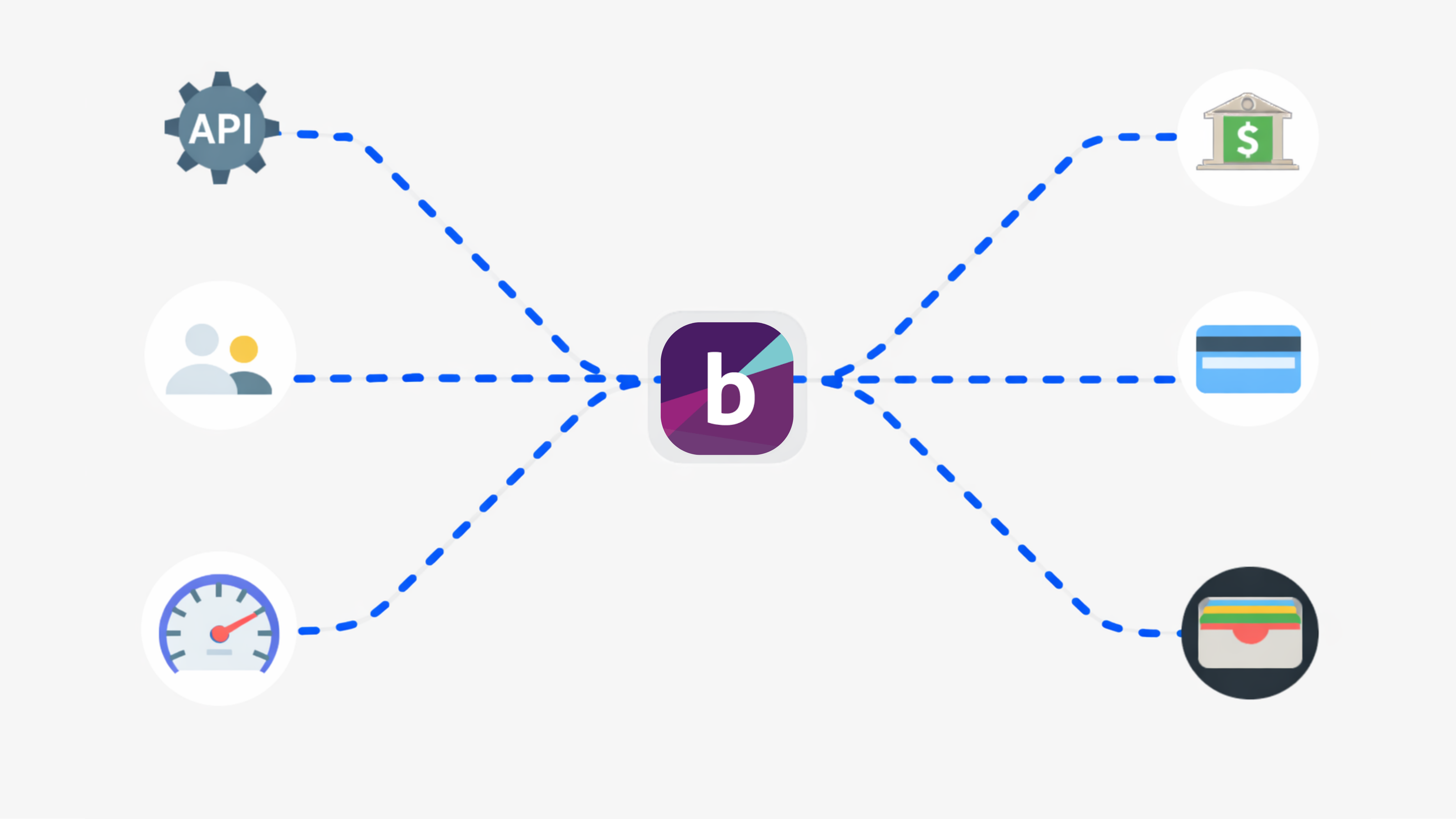
Choosing a Payments Program Provider: A Buyer’s Framework for 2026
Real-time payment rails, embedded finance, and rising customer expectations have pushed payments into the center of how businesses operate.
Read More >>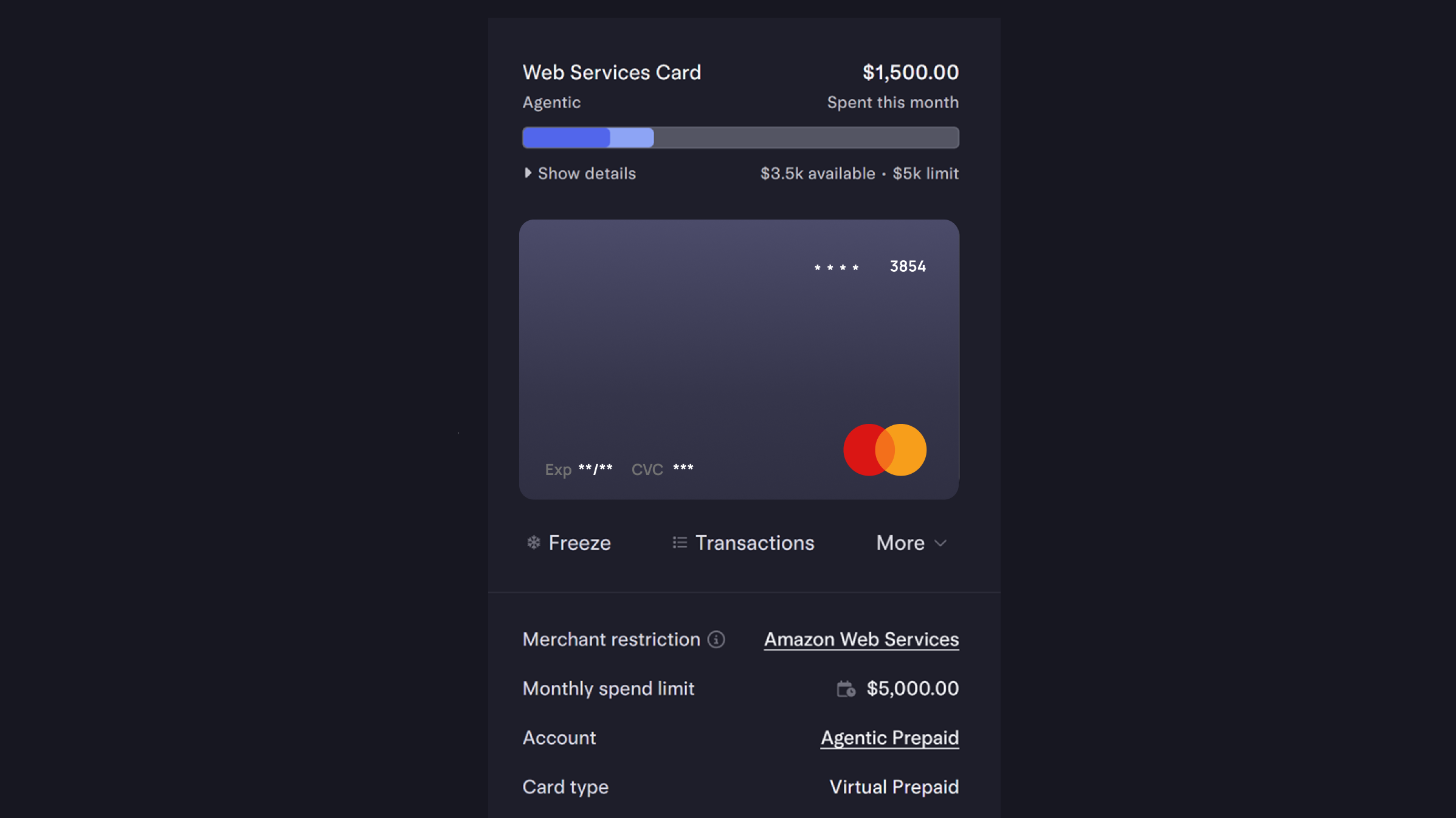
When Software Decides to Spend: Why Agentic AI Needs Prepaid Guardrails
Since its introduction in recent years, “AI in the workplace” has largely meant software that helps people work faster. It drafts emails, summarizes meetings, pulls reports, and nudges teams toward better decisions. Useful, but still clearly in the assistant role.
Read More >>
When Payments Go Dark: The Real Business Cost of Downtime
Payments don’t get to have “off hours.” When a payment system goes down, business doesn’t pause politely and wait for it to come back. Payroll still needs to run, vendors still expect to be paid, and customers still assume their money will move when it’s supposed to.
Read More >>