Industry Updates
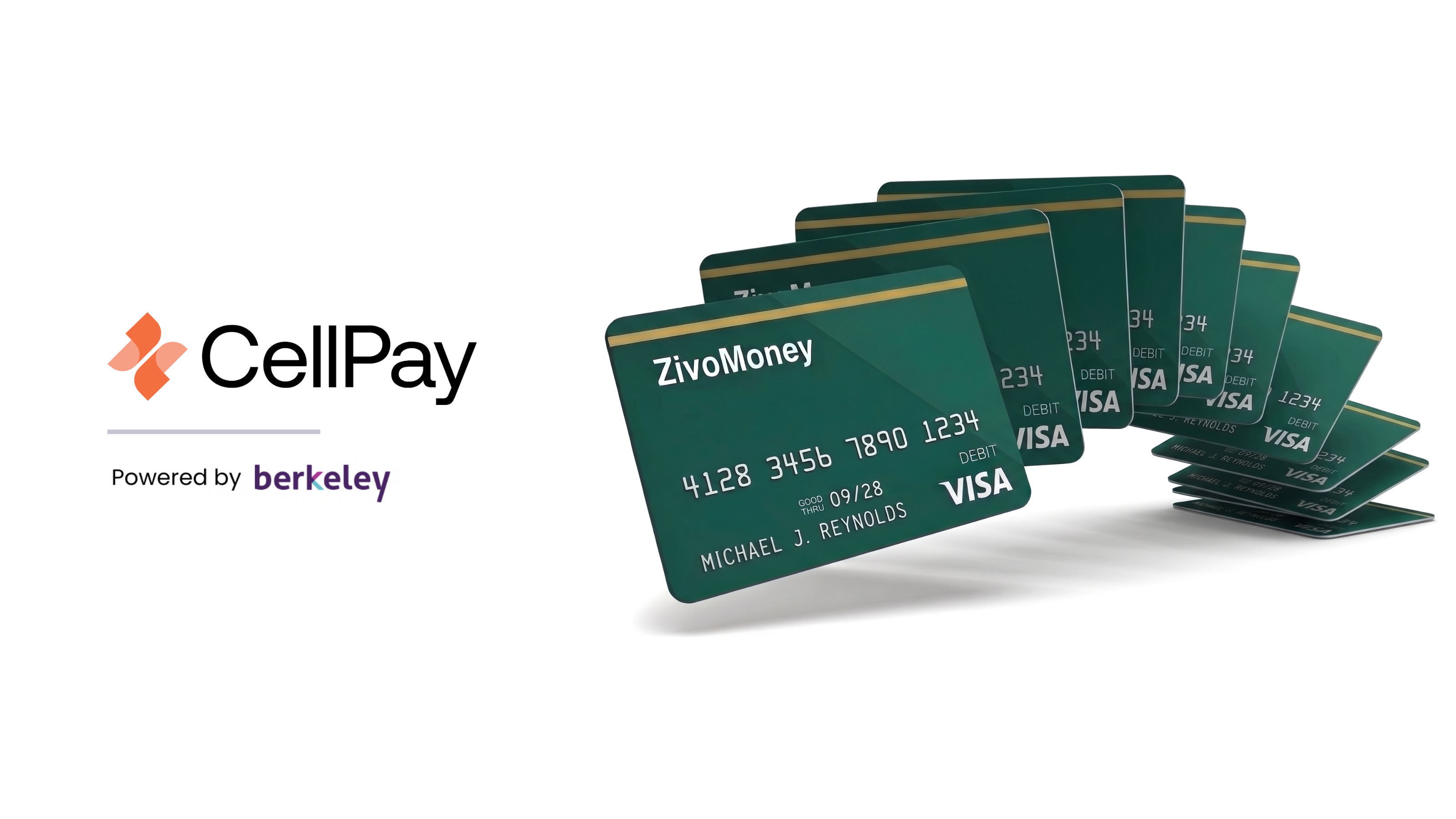

Cash in, tap out: how Berkeley helped launch ZivoMoney
This week, CellPay launched ZivoMoney, a Visa prepaid card you buy with cash and add to Apple Pay or Google Pay the same day. Berkeley Payment Solutions is the platform behind it.
Read More >>
Tetra Digital Group and Berkeley Payment Solutions Partner to Bring Canadian Dollar Stablecoin Settlement to 500+ Canadian Businesses
The partnership will integrate CADD with Berkeley’s payment infrastructure, expanding access to Canadian-dollar stablecoin payments and settlement across Berkeley’s network of corporate, government, and institutional clients.
Read More >>
Bank-Like vs. Bank-Backed: What Buyers of Payment Programs Need to Understand
The payments industry has developed a talent for creating reassuring-sounding language.
Read More >>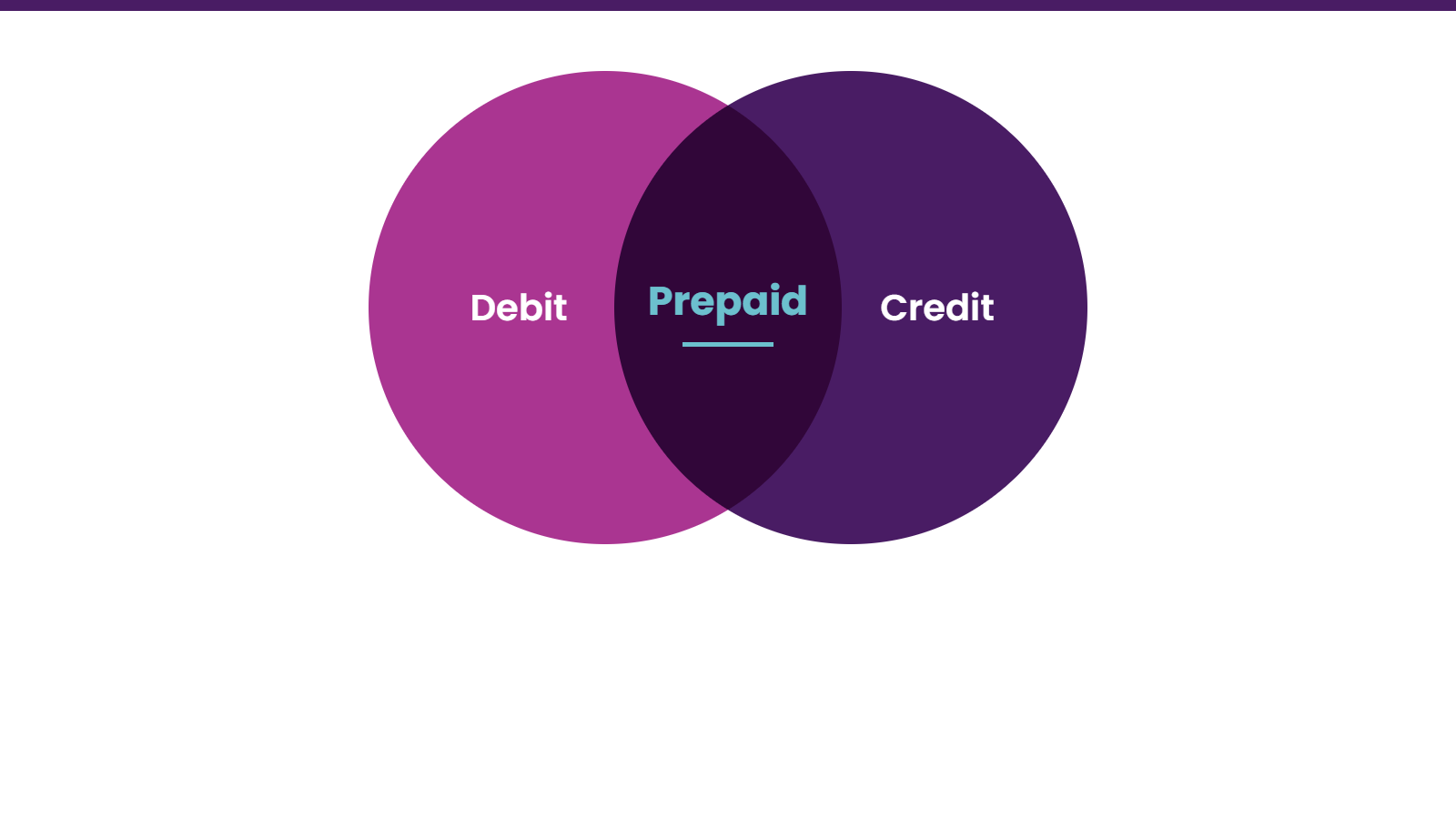
Why prepaid is the smarter alternative to debit and credit cards
Debit and credit aren't really competitors. They solve different problems. Debit gives people direct access to money they already have. Credit lets them borrow against money they don't. Most companies never weigh one against the other, because the use case usually points clearly to one or the other.
Read More >>
We put reverse ATMs at the FIFA Fan Festival. Here's what happened.
When more than a hundred thousand soccer fans pour into a venue, the last thing anyone wants is a cash problem. Vendors don't want to handle it. Fans don't want to line up for it. And the venue wants every transaction to move at the speed of a halftime lineup.
Read More >>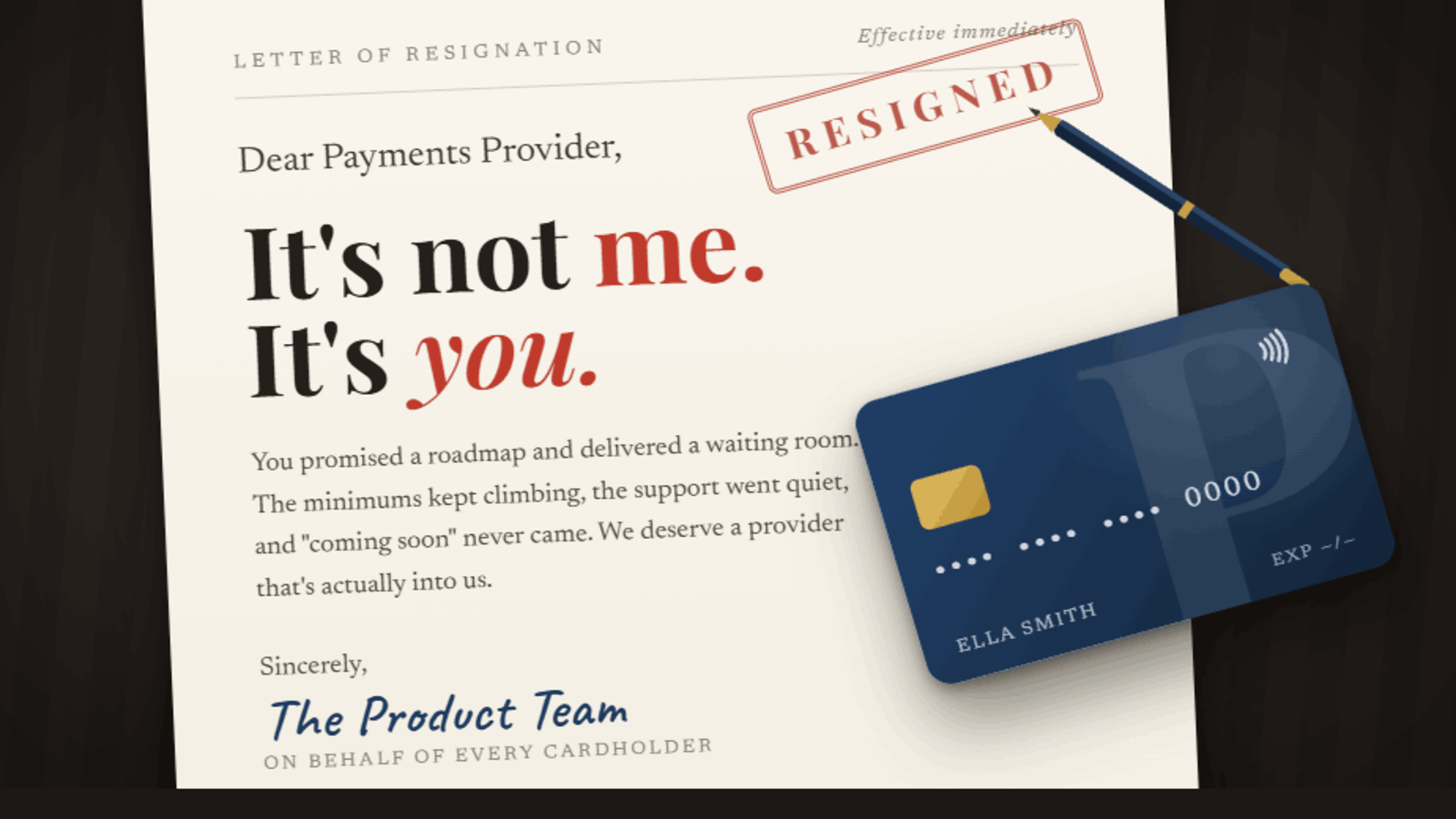
Five Signs It's Time to Leave Your Payments Provider
Most companies don't switch payment providers because of a major failure. More often, the decision comes after months of small frustrations that gradually become harder to ignore.
Read More >>
Berkeley Powers EQ Bank's New Business Card for Canadian Businesses
We're proud to share that EQ Bank officially launched the EQ Bank Business Card on June 18, 2026. As one of Berkeley's premier partners, EQ Bank is Canada's Challenger Bank™ and seventh-largest bank by assets.
Read More >>.png)
Should You Build, Buy, or Partner Your Way to a Card Program
Launching a card program can feel like a major growth opportunity at first. A wealth management firm wants to give clients spending access. A payroll platform wants faster payouts. A CPG company wants to run an incentives or rewards program for customers. The business cases are seemingly endless.
Read More >>.png)
How Money Actually Moves on Card Rails
Someone taps their card to pay for a coffee. There’s a quick beep, the transaction is approved, and they walk away. It feels instant.
Read More >>
How to Choose the Right Payments Processor for a High-Stakes Migration
Imagine this scenario: a card program migrates to a new platform over a weekend. By Monday morning, customer support lines are overwhelmed. Legitimate purchases are being declined and recurring payments are failing. Customers who rely on the card for their most important transactions suddenly can’t use it.
Read More >>