Fintech Innovation


Berkeley Powers EQ Bank's New Business Card for Canadian Businesses
We're proud to share that EQ Bank officially launched the EQ Bank Business Card on June 18, 2026. As one of Berkeley's premier partners, EQ Bank is Canada's Challenger Bank™ and seventh-largest bank by assets.
Read More >>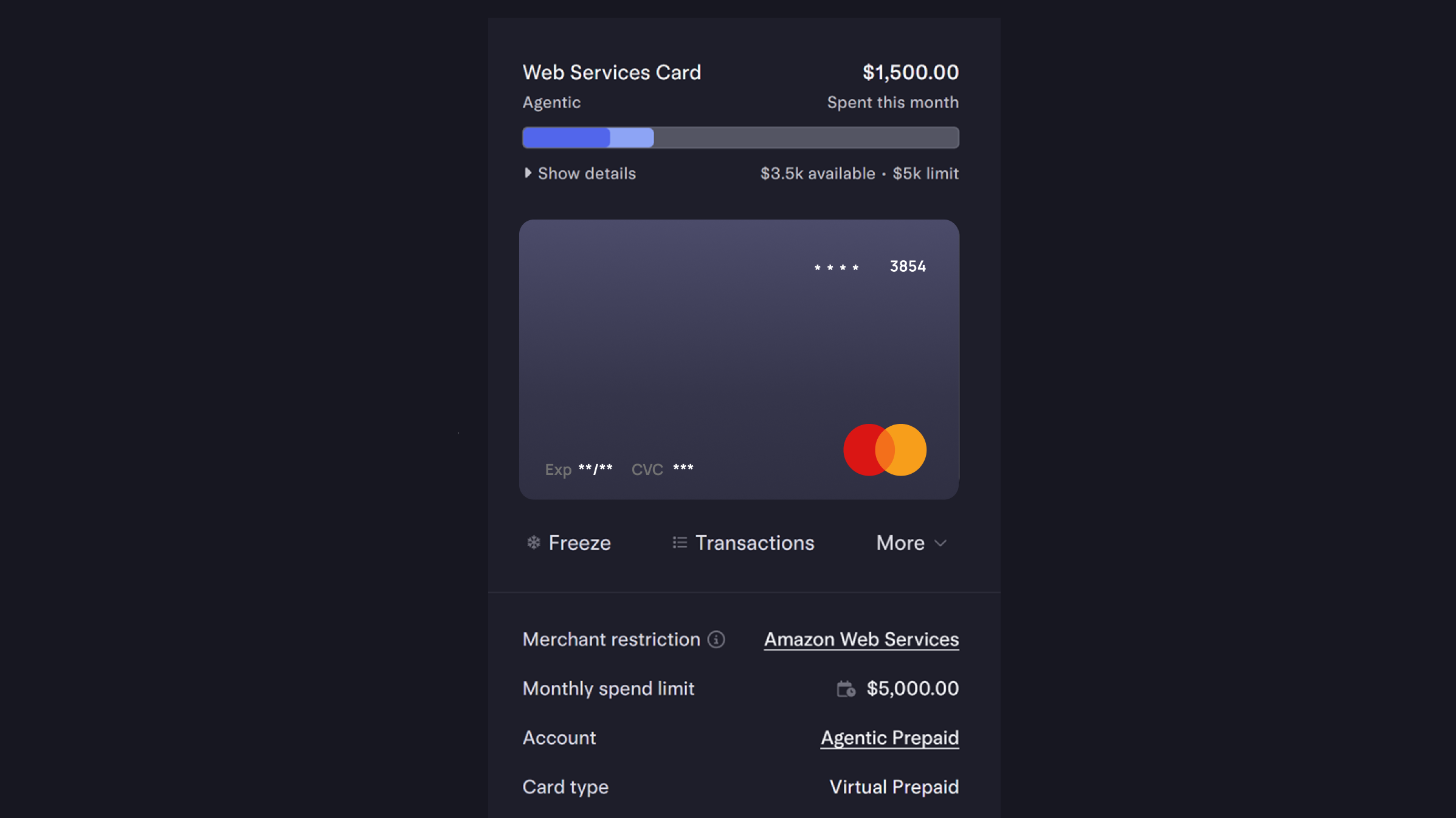
When Software Decides to Spend: Why Agentic AI Needs Prepaid Guardrails
Since its introduction in recent years, “AI in the workplace” has largely meant software that helps people work faster. It drafts emails, summarizes meetings, pulls reports, and nudges teams toward better decisions. Useful, but still clearly in the assistant role.
Read More >>
When Payments Go Dark: The Real Business Cost of Downtime
Payments don’t get to have “off hours.” When a payment system goes down, business doesn’t pause politely and wait for it to come back. Payroll still needs to run, vendors still expect to be paid, and customers still assume their money will move when it’s supposed to.
Read More >>.png)
The CFO’s Guide to ROI from Real-Time Wage Access
The economics of payment have changed. Across consumer payments, settlement cycles have collapsed, and money now moves when value is exchanged, not days or weeks later.
Read More >>
Inclusion Isn’t Charity. It’s Infrastructure.
Life without a bank account is financially punishing. It limits how people shop, pay bills, or receive support, slowly pushing them to the margins, not because of poor decisions, but because the system wasn’t built for their circumstances.
Read More >>
Building Trust with Immutable Ledgers in Regulated Payment Programs
Trust rarely collapses all at once. In payment programs, it usually breaks down in the margins.
Read More >>
The Future Isn’t “Bank vs. Fintech” - It’s Both
For a long time, enterprise payments involved a pretty familiar trade-off. Banks offered security, safeguards, and regulatory comfort, but moving money through them could be slow and inflexible.
Read More >>.png)
Designing Trust into Public-Facing Programs
Every year, large sums of money intended for disaster relief, public benefits, and community programs fail to reach the people they’re meant to support, undermining trust in the organizations running the programs.
Read More >>.png)
How Demand Deposit Accounts Power Modern Payments Platforms
Every time money moves - whether it’s loading a payroll card, topping up a digital wallet, or sending an instant payout - there’s a quiet workhorse operating in the background. It’s called the Demand Deposit Account (DDA).
Read More >>.png)
Hidden Superpowers in Payments: Controls Enterprises Didn’t Know They Could Have
Many enterprises still think about payment tools just as pipes for moving money. You load funds, issue physical or virtual cards, payments happen, and reconciliation follows. But that’s an increasingly inaccurate view. Today, payments are also governance engines with the ability to enforce rules, automate oversight, and embed accountability into every transaction.
Read More >>